
A new pathway for communication and control for people with disabilities and age-related conditions
Voxia is a proprietary wearable device that converts intentional vocal cord activation, such as a simple hum, into real-time input, enabling individuals with severe physical and speech limitations to communicate, interact with technology, and engage with their environment.
Over 97M people globally cannot rely on natural speech for communication
Individuals with severe disabilities and age-related conditions, such as cerebral palsy, stroke, ALS, Parkinson's disease, and other neurological disorders, lose the ability to communicate and interact with their environment due to limitations in their ability to produce reliable physical input.
This leaves individuals without a viable way to:
- express needs or intentions
- communicate with others
- interact with digital devices
- control their environment
Most existing Augmentative and Alternative Communication (AAC) technologies rely on residual physical abilities such as hand movement, head control, eye tracking, or breath control. These methods can be effective, but they depend on capabilities that are not present or consistent in all users.
This creates a critical gap in accessibility, not because solutions do not exist, but because they are not usable for everyone.
A universal input pathway driven by a simple hum
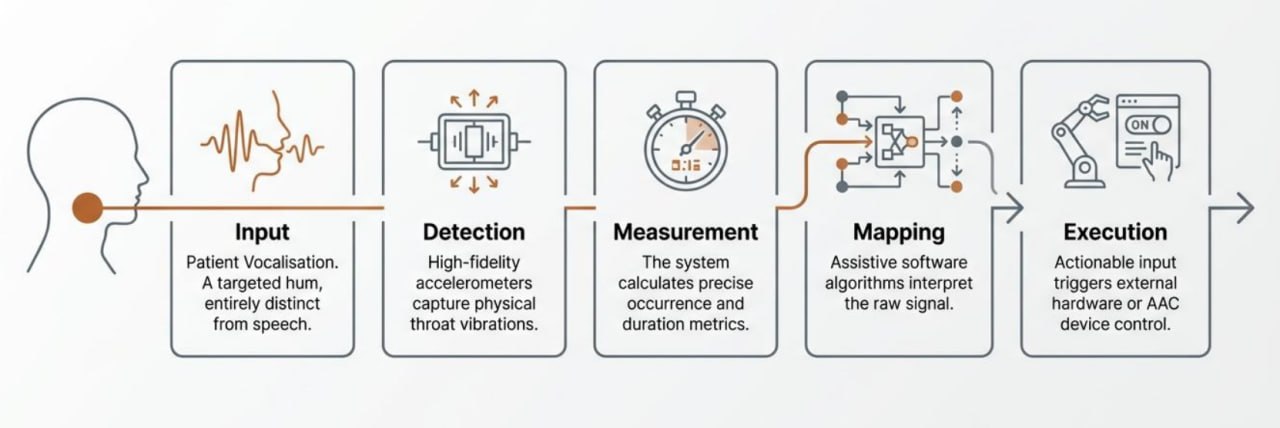
Voxia is a control interface, not a speech generator. Think of it as a keyboard built for people who can no longer use a keyboard. It gives patients the ability to operate the devices and software they already rely on, through a new input pathway.
Designed for continuous, real-world use
Voxia introduces a new pathway for interaction - independent of conventional physical inputs. It is based on a simple, intentional signal, such as a hum, captured as intentional vocal cord activation and translated into a reliable control input. Because this signal does not depend on limb movement, visual tracking, or precise positioning, it remains accessible in many situations where other methods are difficult to use consistently.
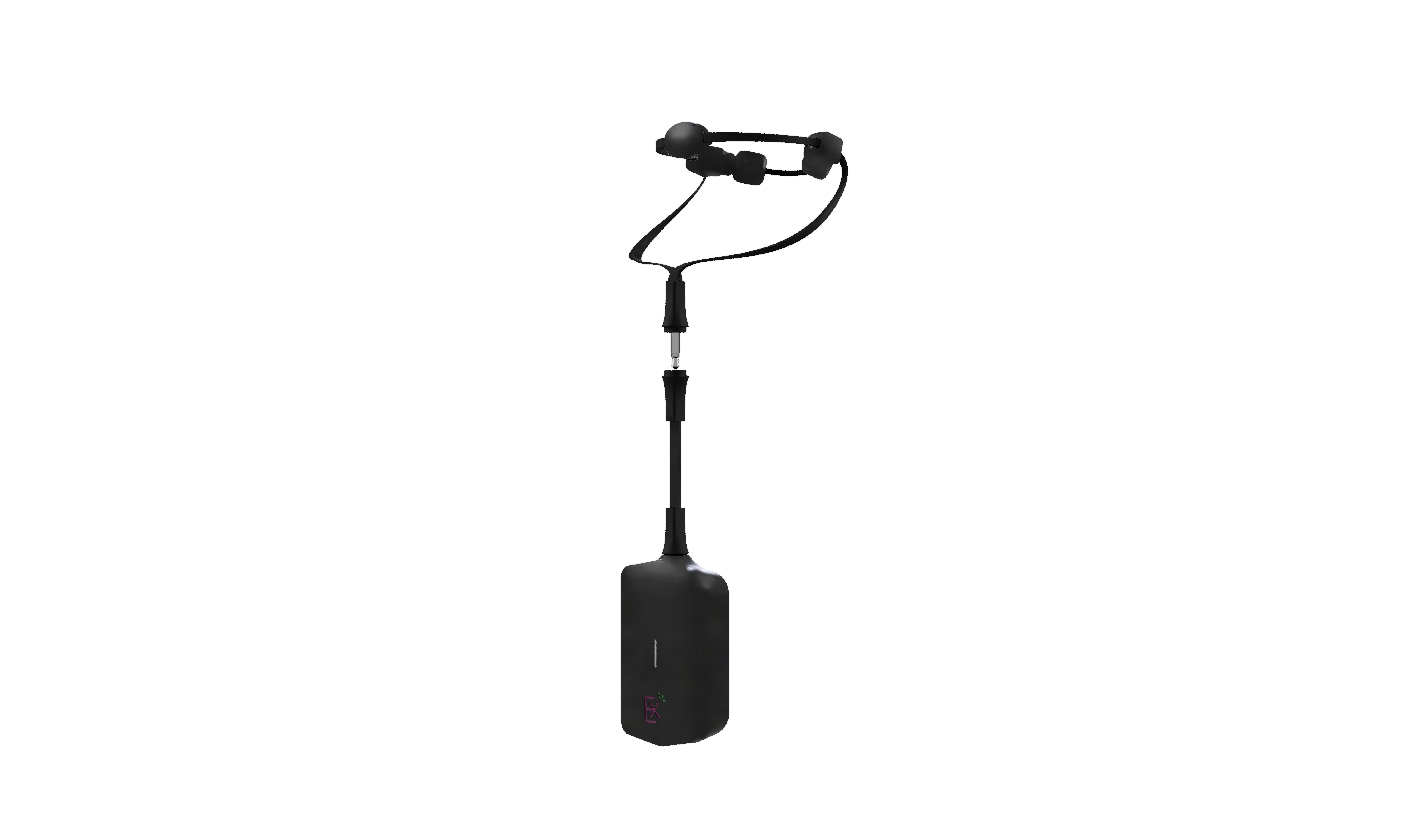
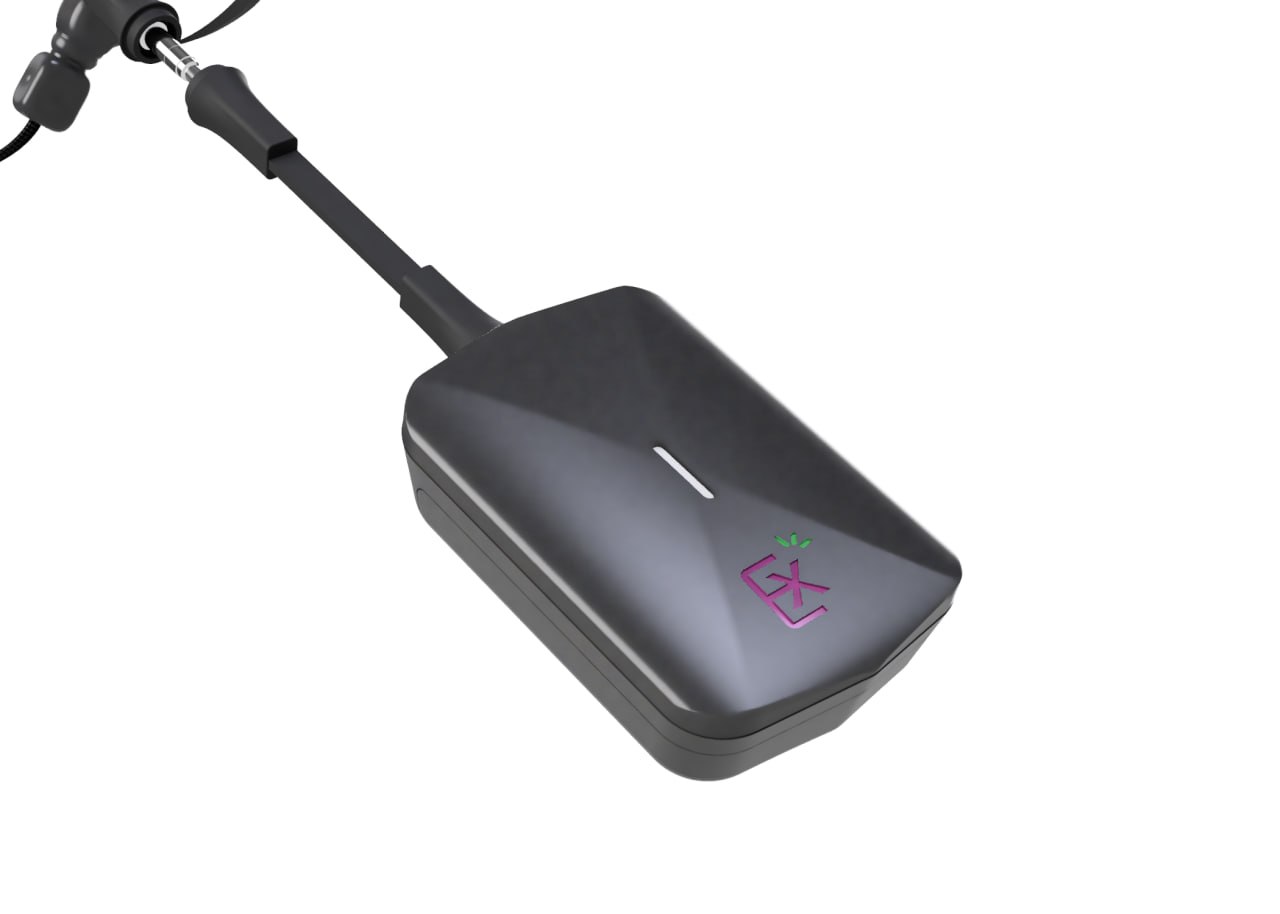
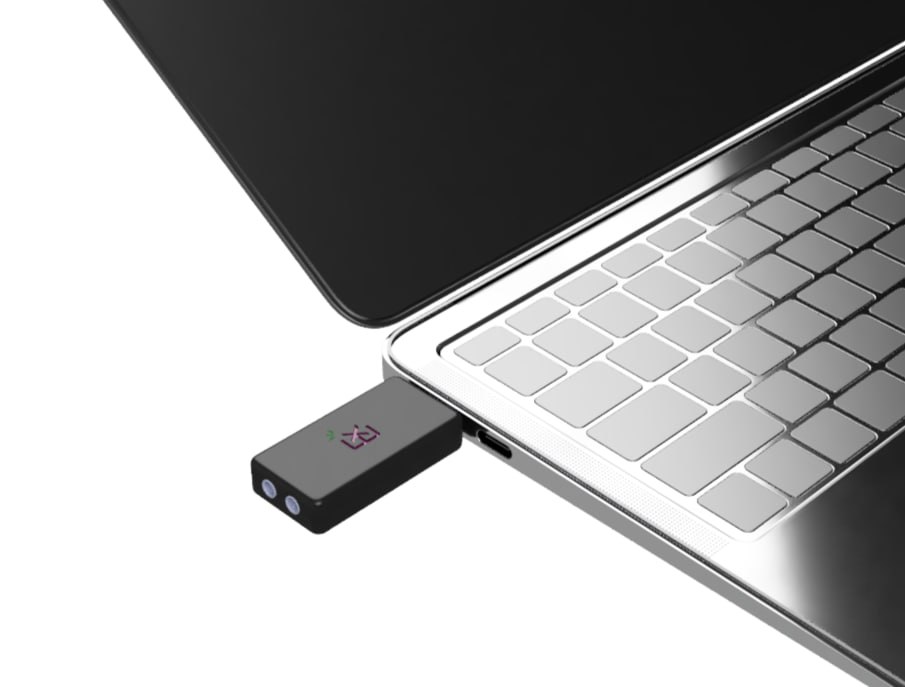
Lightweight, stable, and non-intrusive. Designed for continuous use without restricting movement or requiring caregiver assistance to operate.
Compatible with AAC systems, computers, tablets, and mobile devices - no custom software required on the receiving end.
Intentional vocal cord activation, such as a hum, captured and translated into reliable control input across single and multi-command vocabularies.
A clear, low-barrier regulatory pathway. Targeting Health Canada and US FDA clearance as part of the current development phase.
Connects via Bluetooth primary, USB receiver fallback, and standard switch interfaces - covering the full range of clinical and home environments.
Contact-based vibration sensing means background noise has minimal impact. No line-of-sight or precise alignment required.
Voxia does not replace existing solutions; it adds a new pathway, particularly when other inputs are inconsistent or unavailable, or when multiple access methods are needed over time.
Supported by leading Canadian healthcare & innovation programs
Selected for, and supported by, leading brain health, aging innovation, and commercialization ecosystems across Canada.






Get in touch
We are working with clinicians, rehabilitation specialists, AAC providers, and investors to bring Voxia into clinical and real-world settings. If you are interested in a pilot, partnership, or investment conversation, reach out.
If you are interested in backing technology that addresses a critical unmet need in assistive access, reach out to discuss.
Book a call →If you work in rehabilitation, AAC, aging care, or mobility - and you have patients who have run out of options - we want to speak with you.
Frequently asked questions
No. Voxia is a control interface, not a communication aid that generates speech or text on its own. Think of it as a keyboard built for patients who can no longer use a keyboard. It gives patients the ability to operate the devices and software they already rely on, including AAC software, computers, tablets, and smart home systems, through a new input pathway. If a patient uses a speech-generating app on their tablet, Voxia can operate that tablet, and the app generates the speech.
Voxia is designed for patients with severe motor impairment who have exhausted, or are approaching the limits of, existing access technology. This includes patients living with ALS, locked-in syndrome, advanced Parkinson's disease, severe stroke, spinal cord injury at high cervical levels, and other conditions where voluntary limb movement, eye control, and intelligible speech are significantly compromised.
Yes. Voxia detects vibration through direct contact with the neck, not through ambient audio. The sensor array captures vocal cord vibration mechanically, which means background noise has minimal impact on detection accuracy. This is a significant advantage over microphone-based voice recognition systems, which can fail in the kinds of busy environments - care facilities, family homes, hospitals - where patients actually live and work.
Voxia connects wirelessly via Bluetooth to any compatible device - smartphones, tablets, computers (Windows and macOS), and smart home hubs. Because it presents as a standard Bluetooth input device, it works with existing assistive technology software, AAC applications, and operating system accessibility features without requiring custom software on the receiving device. A wired fallback connection is also available for environments where Bluetooth is restricted.
Voxia is a medical device in development. It has not yet received regulatory clearance for commercial sale. The regulatory pathway targets Health Canada approval and US FDA clearance. Voxia is not yet available for purchase or clinical use outside of approved research settings.
We are actively seeking clinical partners - rehabilitation hospitals, ALS clinics, AAC specialist practices, and neurological care facilities - to participate in our clinical validation programme. If you have patients who have exhausted their current access technology options and would benefit from early access, we want to speak with you. Reach out via the partnership inquiry below or email partner@expertiqa.com directly.